Herbaria
Artists: Carrie Allison, Alana Bartol, Patricia Coates, Lisa Hirmer, Susan Turcot and Eva Peskin with the Cedar Listening Circle
Exhibition Dates: July 4, 2025 - September 28, 20255
Opening Reception: Friday, July 18, 2025 from 7:30 - 9:30 pm
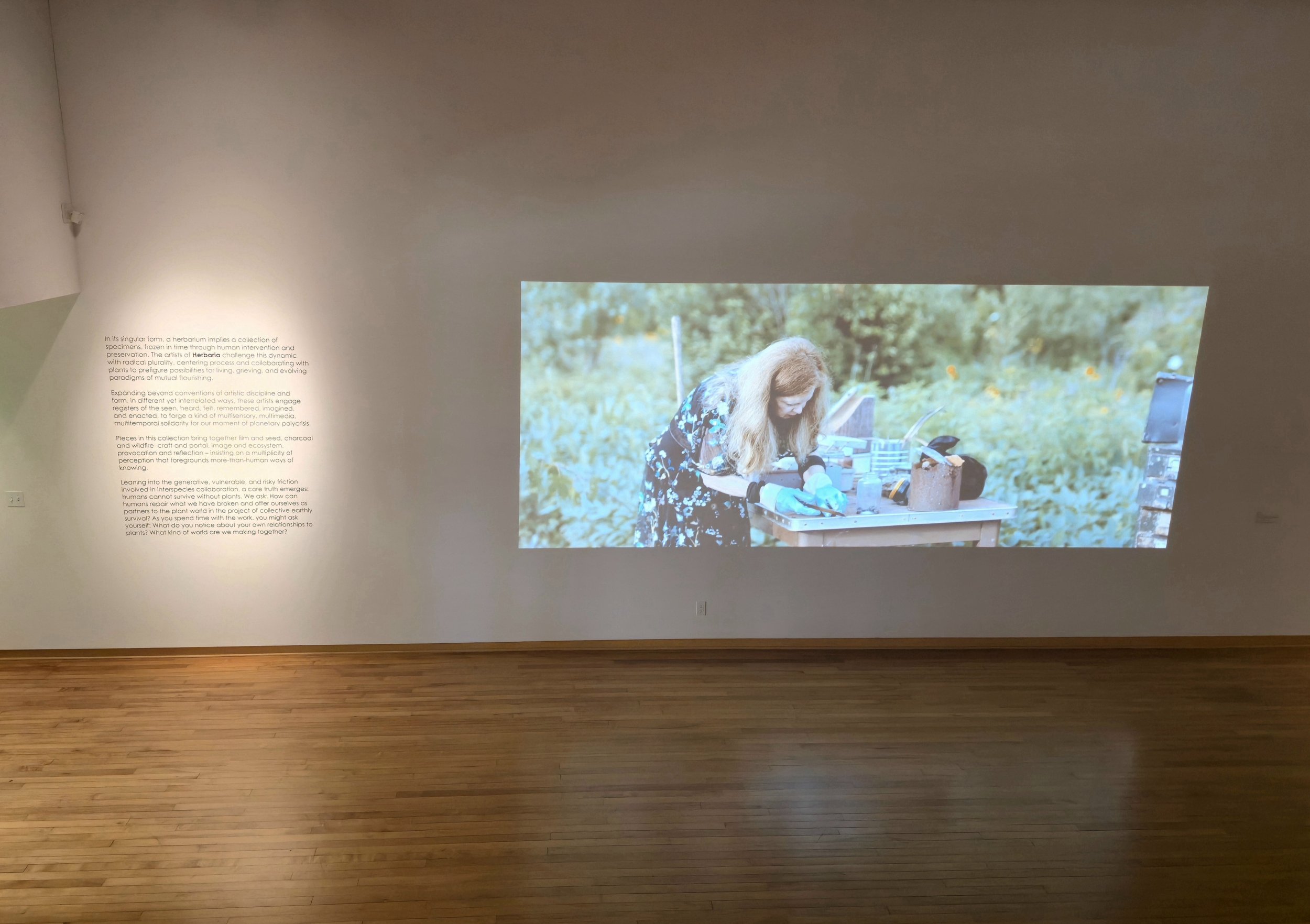
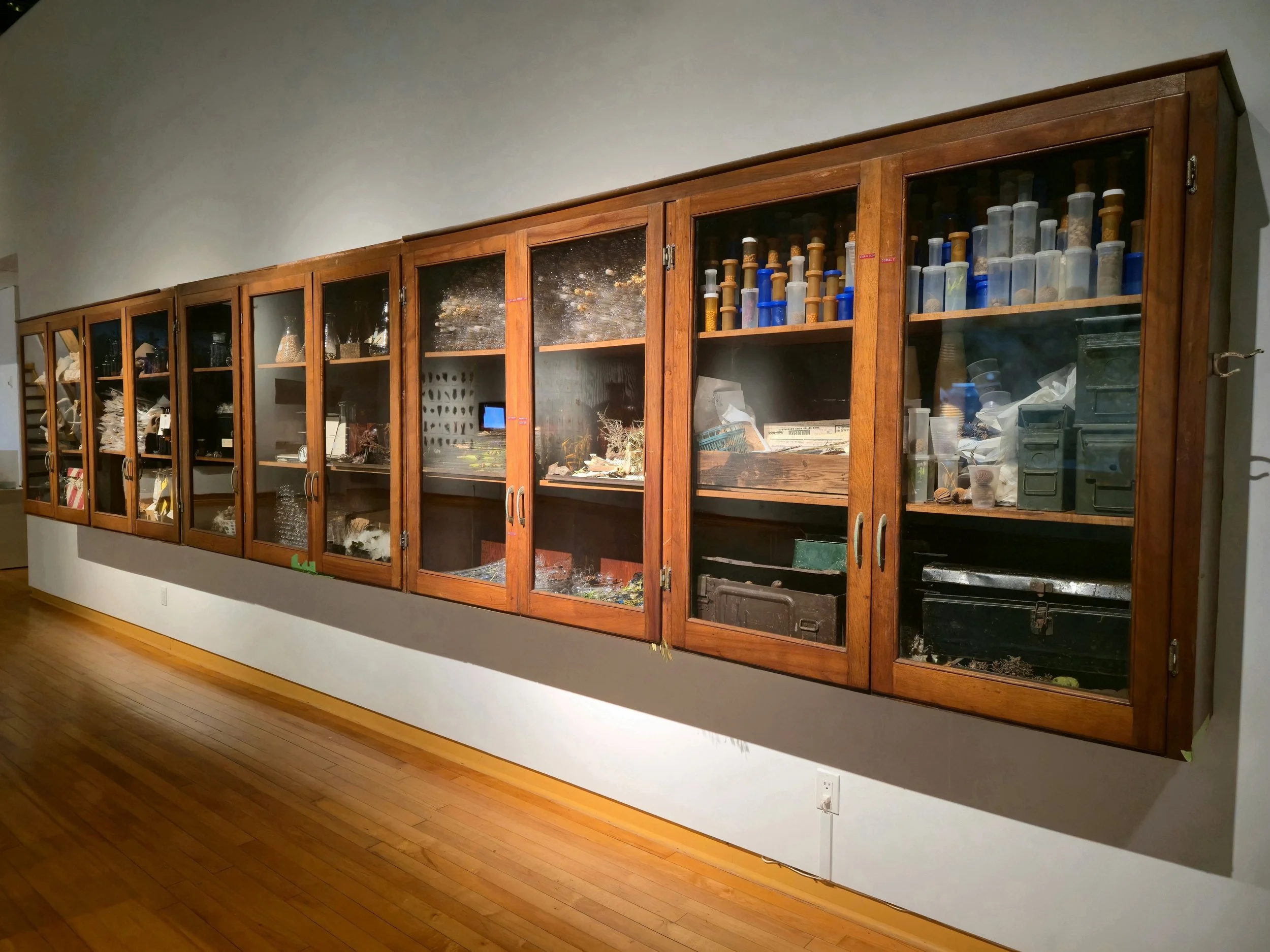
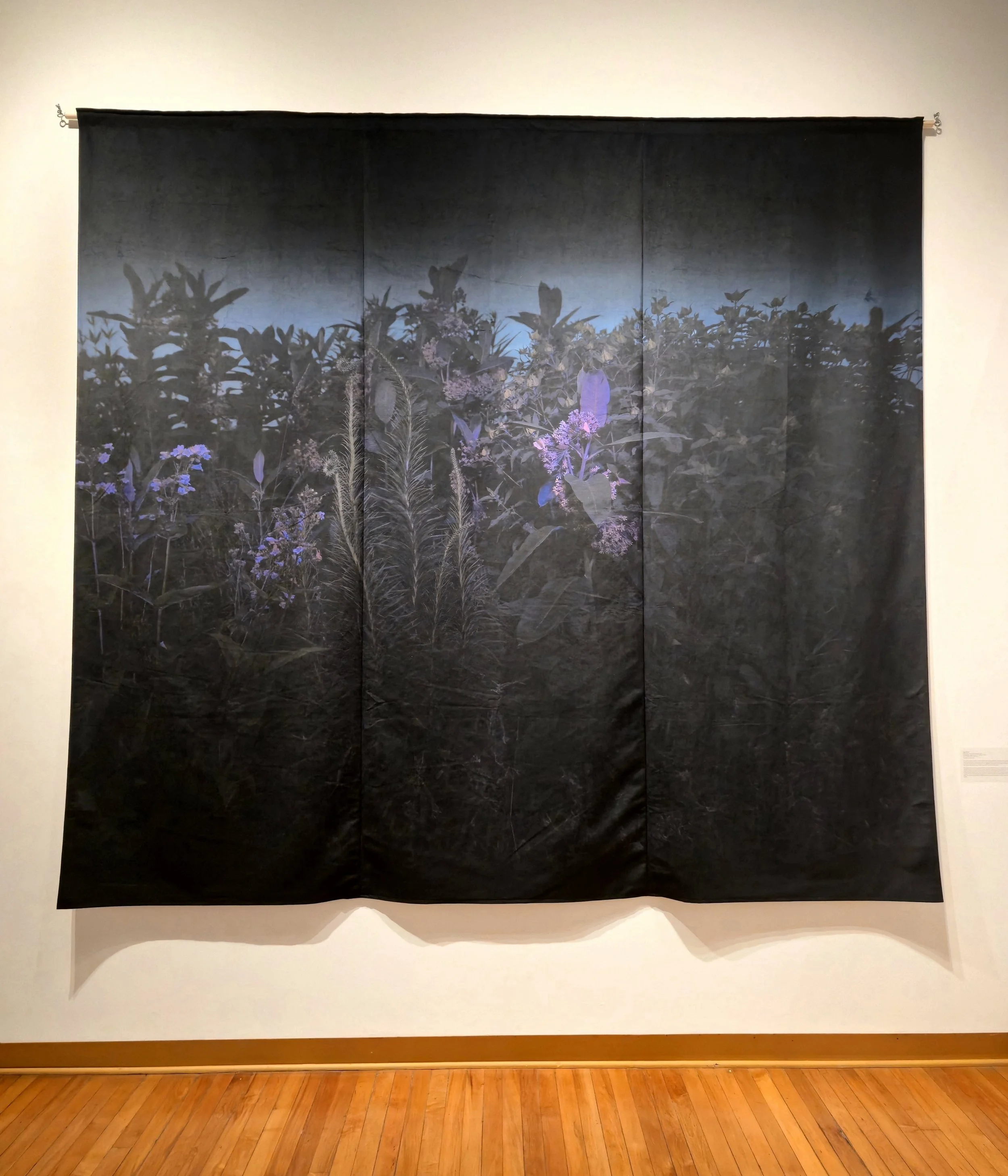
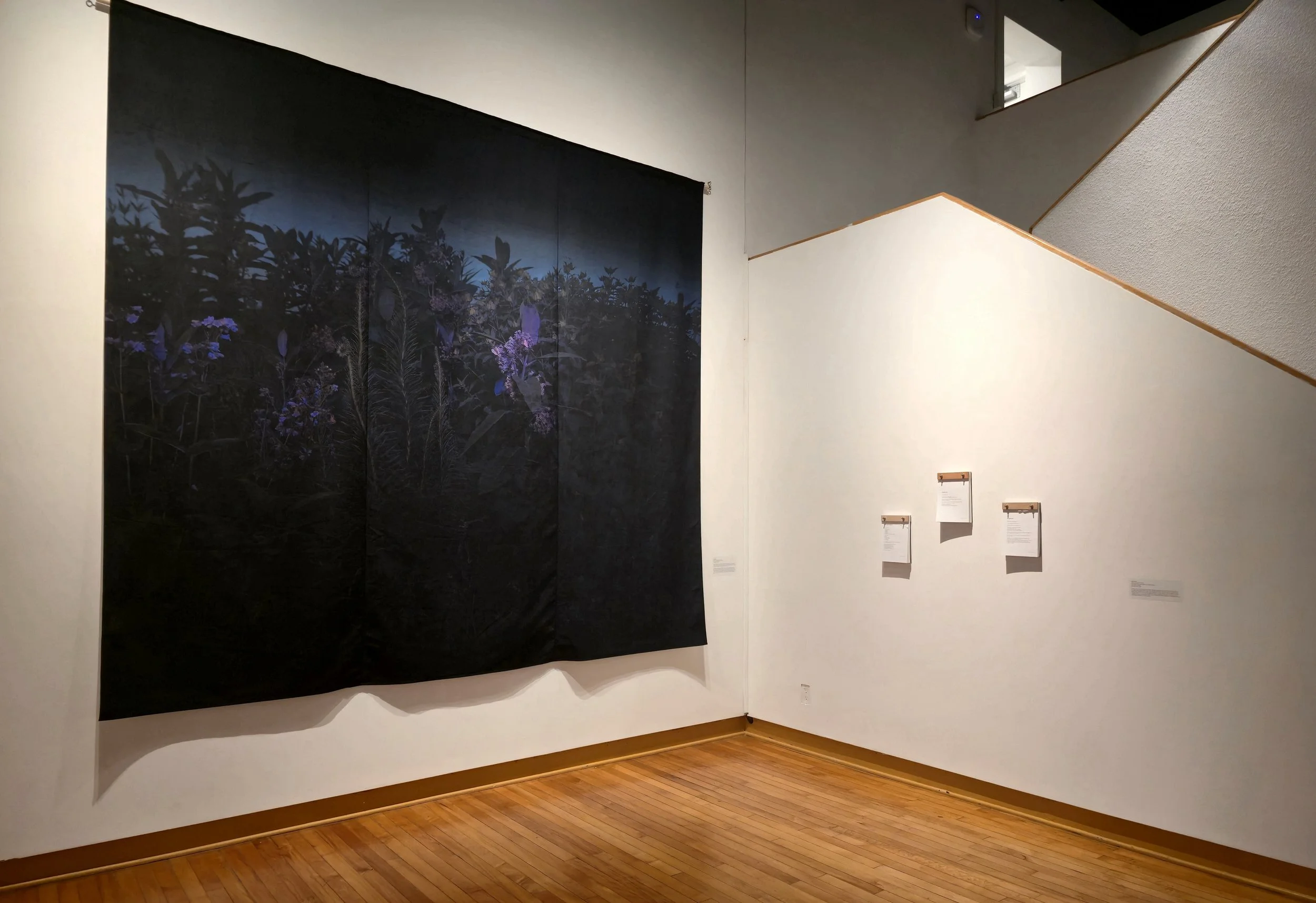
Herbaria is a group exhibition that reflects on humanity’s fragile and evolving relationship with plant life and the systems that shape our understanding of it. Rooted in Chatham-Kent’s agricultural legacy—from Indigenous practices and European homesteading to today’s industrial farming—this exhibition resonates with the region’s deep ecological history and the urgent challenges of food security and climate change. Bringing together diverse artistic perspectives, Herbaria invites viewers to consider how more organic, sustainable systems might emerge in response to these complex issues.
Exhibition Programming, Events and Workshops
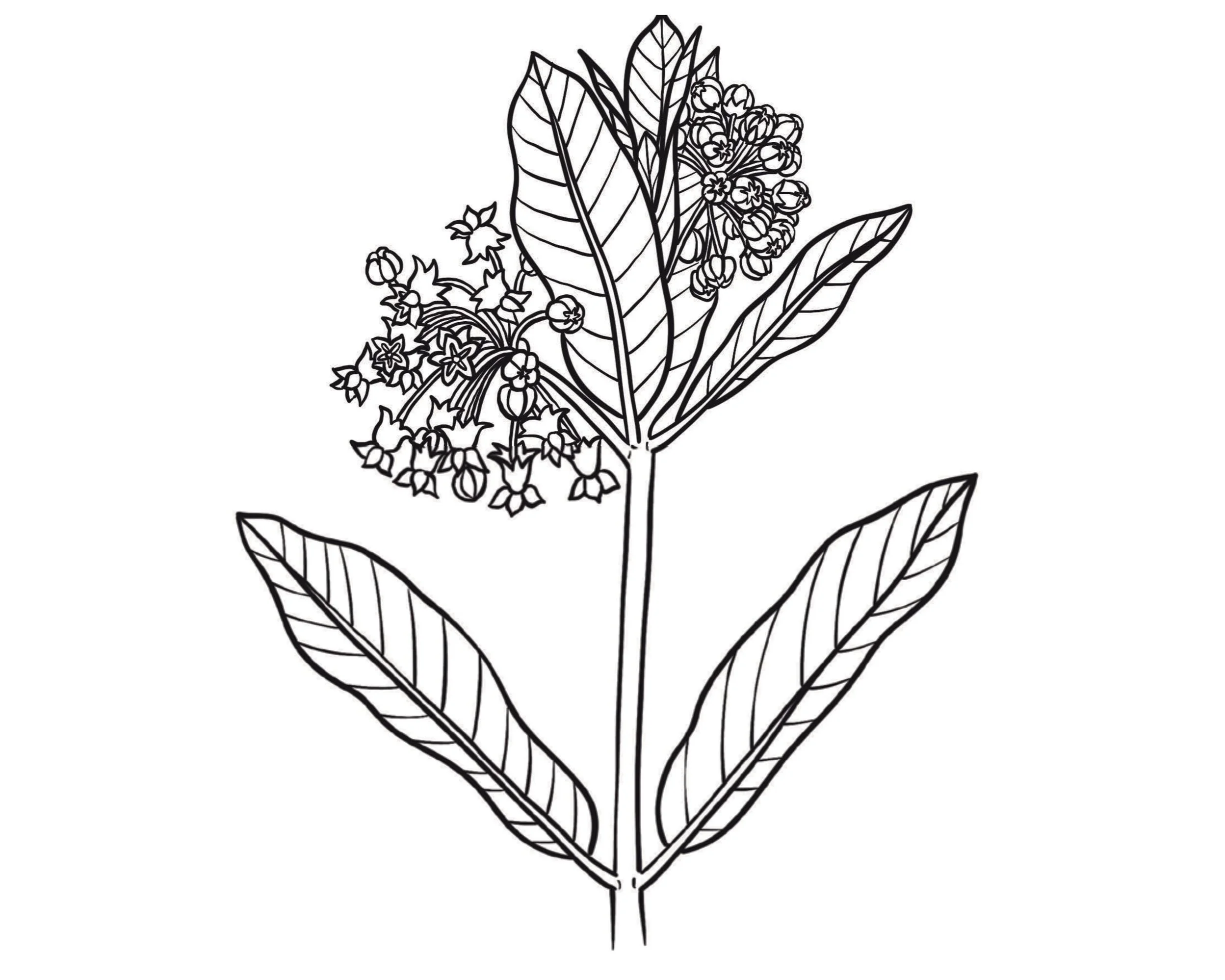
Herbaria: Watch it Grow - A FREE Family-Friendly Drop-In Experience
Every Saturday and Sunday from July 5th - September 28th, 2025 from 11:00 am - 3:00 pm
While exploring Herbaria, stop by our interactive station to learn about the fascinating life cycles of plants! Grab some colouring supplies, dive into our Milk Weed Seed Life Cycle Zine, and plant your very own seed to take home and nurture.
Perfect for families and curious minds of all ages—come get your hands dirty and watch something beautiful grow!
Summer ARTcrawl
Friday July 18, 2025, 5:00 - 9:30 PM
The Thames Art Gallery is thrilled to announce the return of it’s much-loved Summer ARTcrawl, taking place on Friday, July 18, 2025, 5:00 – 9:30 pm. This free, community-wide event invites art lovers of all ages to explore vibrant venues, experience four unique exhibitions, enjoy live music by Philip Jacobs, and indulge in delicious refreshments along the way.
Art + Wine: Herbaria
Wednesday July 23, 2025, 6:30 - 8:30 PM | $20
Moderator Mindy Bowls will lead participants in a lively, stimulating discussion based on the work of current exhibition Herbaria.
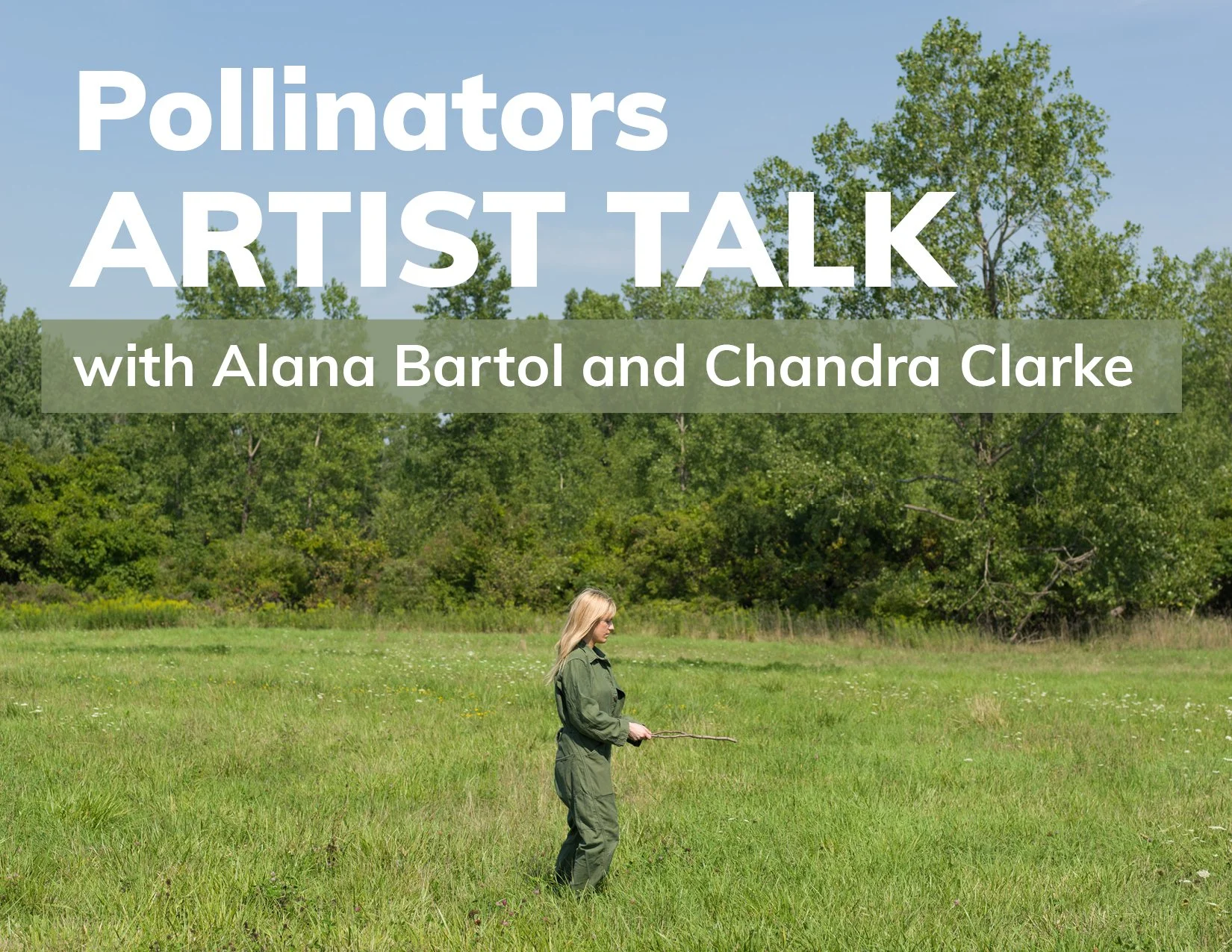
Pollinators Artist Talk: With Alana Bartol and Chandra Clarke
Saturday, August 23, 2025, 1:30 - 2:30 PM | Free | Studio One and the Thames Art Gallery
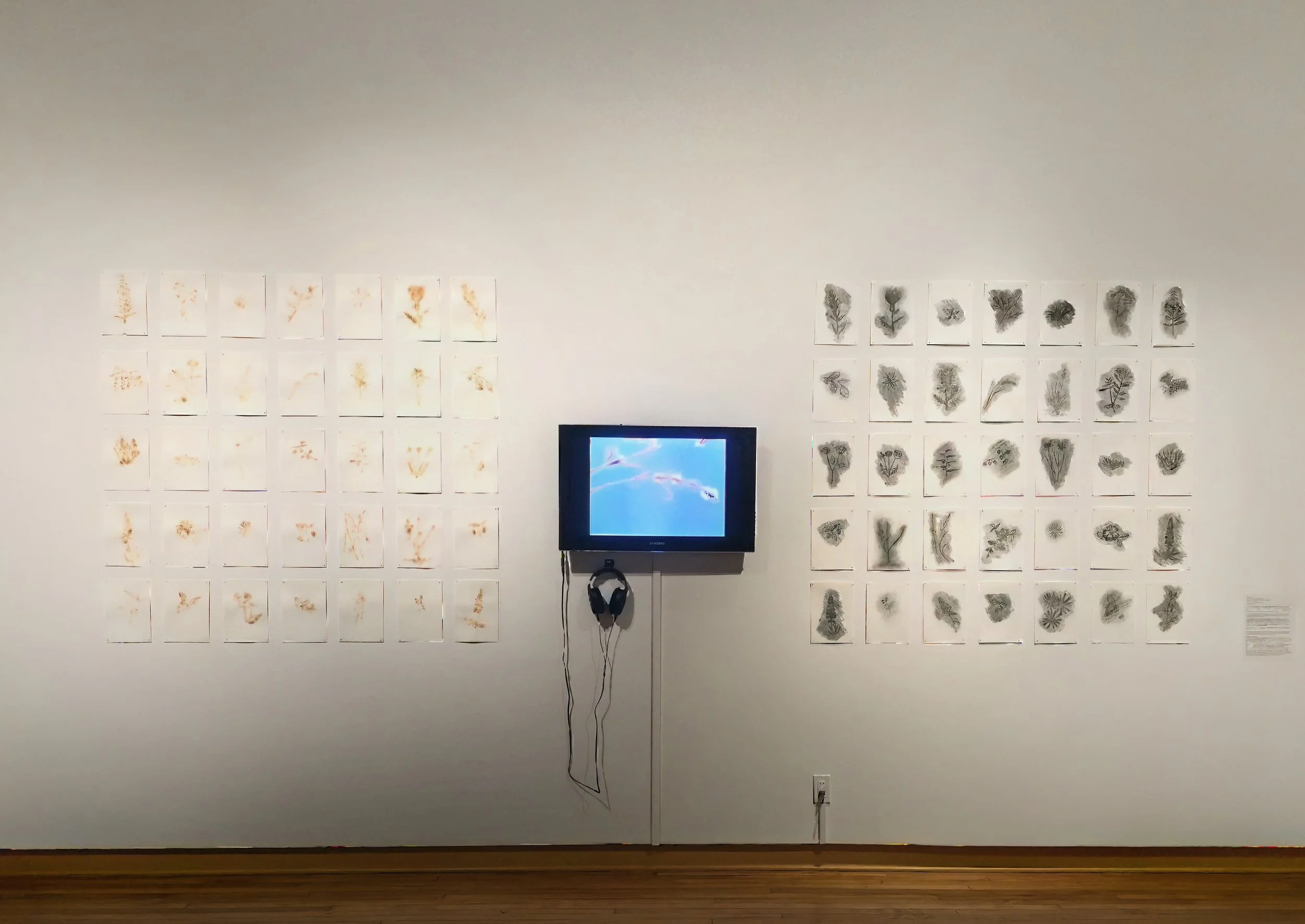
In this talk, Alana Bartol will discuss her drawing and video works in Herbaria, which respond to landscapes impacted by industrial extraction. Through research into native and invasive plant species, their site-responsive practice explores how we might learn from the intelligence of plants and their importance within local ecologies. Central to Alana's work is building relationships with plants. Courtesy of the Chatham-Kent Seed Library, native plant seeds will be available to attendees.
Chandra Clarke is a volunteer with the David Suzuki Foundation Butterflyway Project. Her talk will focus on the importance of pollinator-friendly gardens and native plants.

Film Screening: Papalotzin - The Flight of the Monarch with Chatham-Kent Museum
Saturday, August 23, 2025, 3:00 - 4:00 PM | Free | Studio One
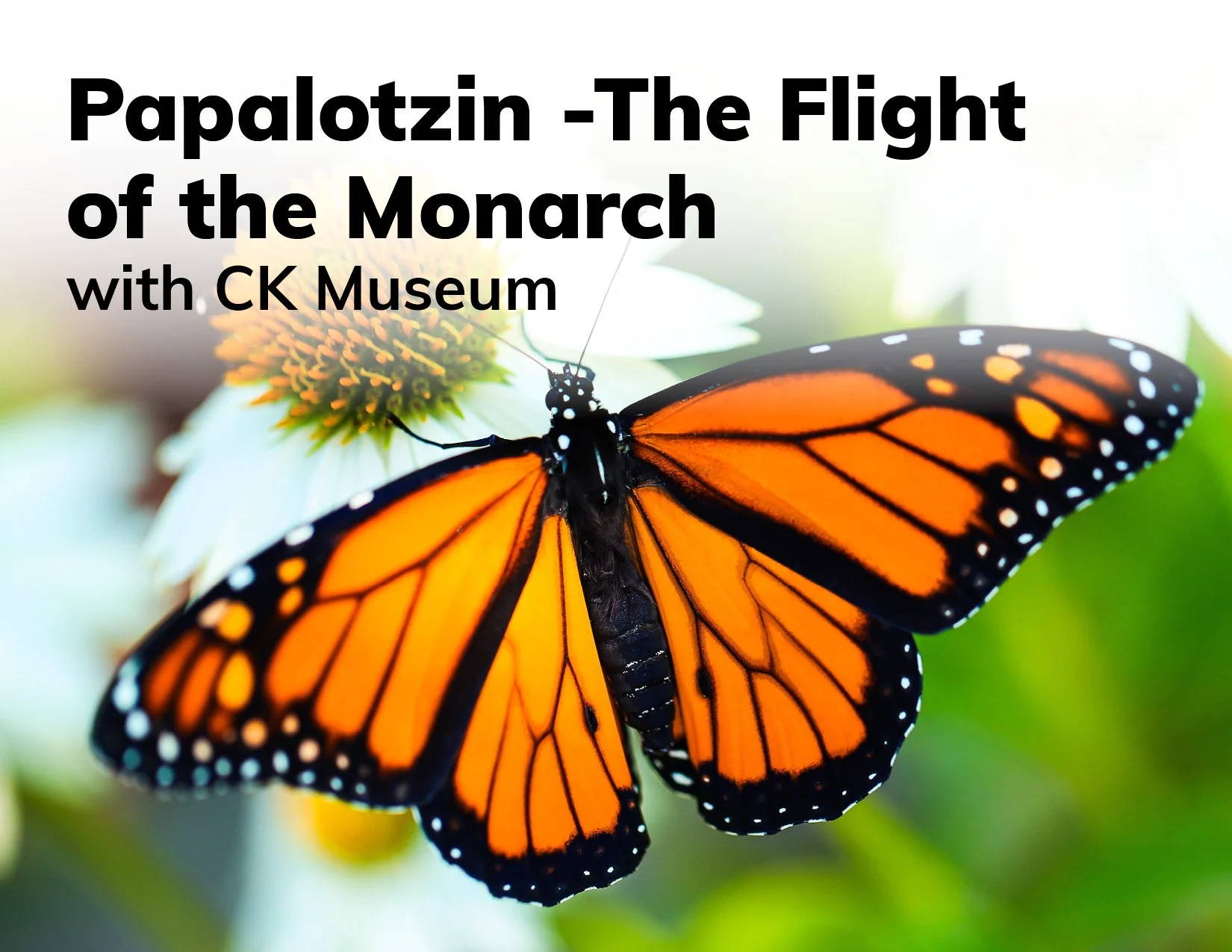
After viewing the Herbaria and On the Trail of the Monarch Butterfly exhibitions, the Chatham-Kent Museum invites you to a screening of Papalotzin – The Flight of the Monarch in (Studio One.) This 60-minute documentary follows Mexican filmmaker and pilot, Francisco Gutiérrez, as he flies his ultralight aircraft from Montreal to Michoacán, in Mexico documenting the annual migration of the Monarch butterfly. It is an adventure full of aerial shots, animations and interesting people.
On the Trail of the Monarch Butterfly was produced by the Canada Aviation and Space Museum in collaboration with the Embassy of Mexico and is on display at the Chatham-Kent Museum until October 12, 2025.

Herbaria Talk and Tour with Patricia Coates
Wednesday, September 10, 2025, 6:30 pm - 8:30 pm | All Ages | FREE | Thames Art Gallery
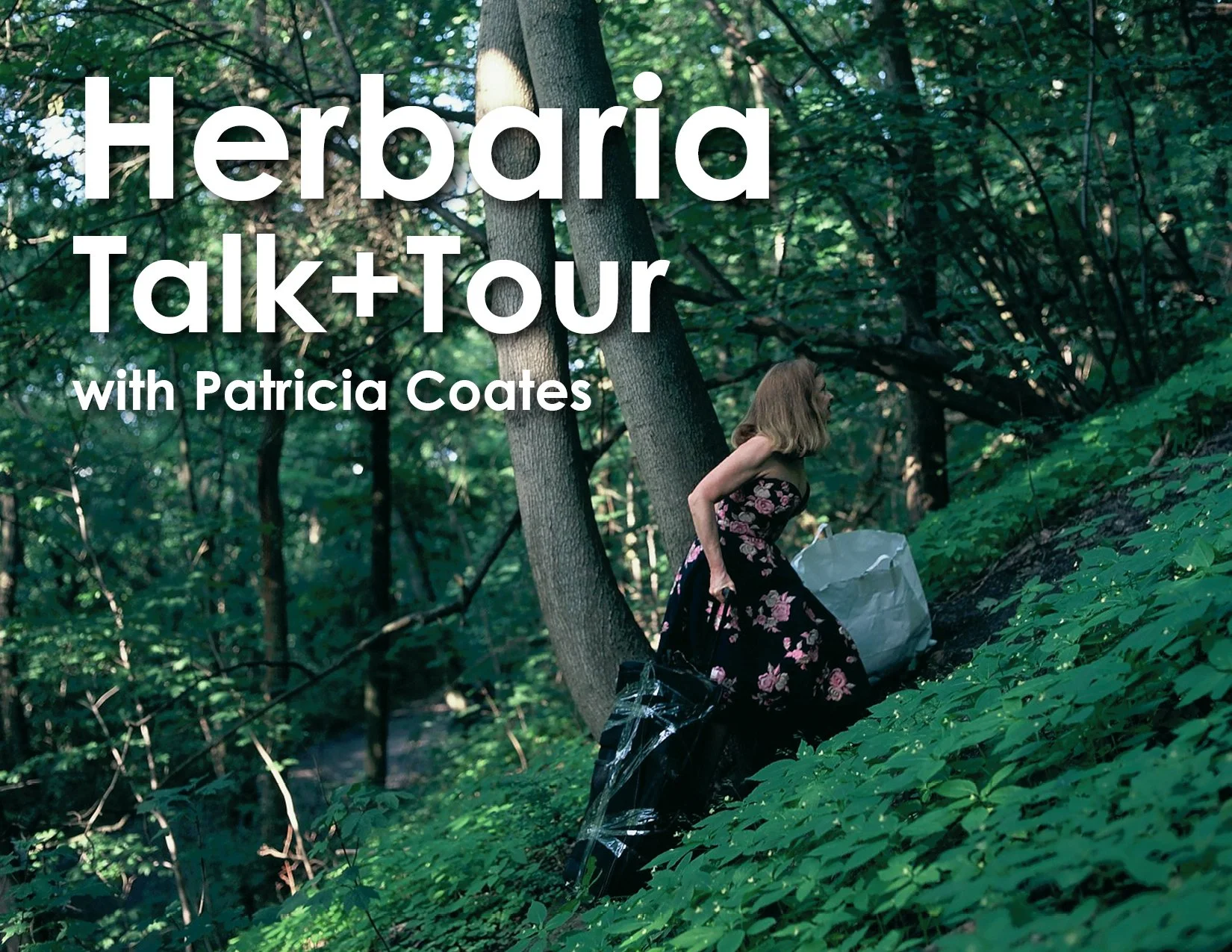
Join us for a special gallery talk and tour of Herbaria. Led by one of the artists, Patricia Coates, this event offers insight into the creative process and conceptual foundations behind the works. Visitors will have the opportunity to engage directly with exhibition and gain a deeper understanding of its materials, meaning, and message.
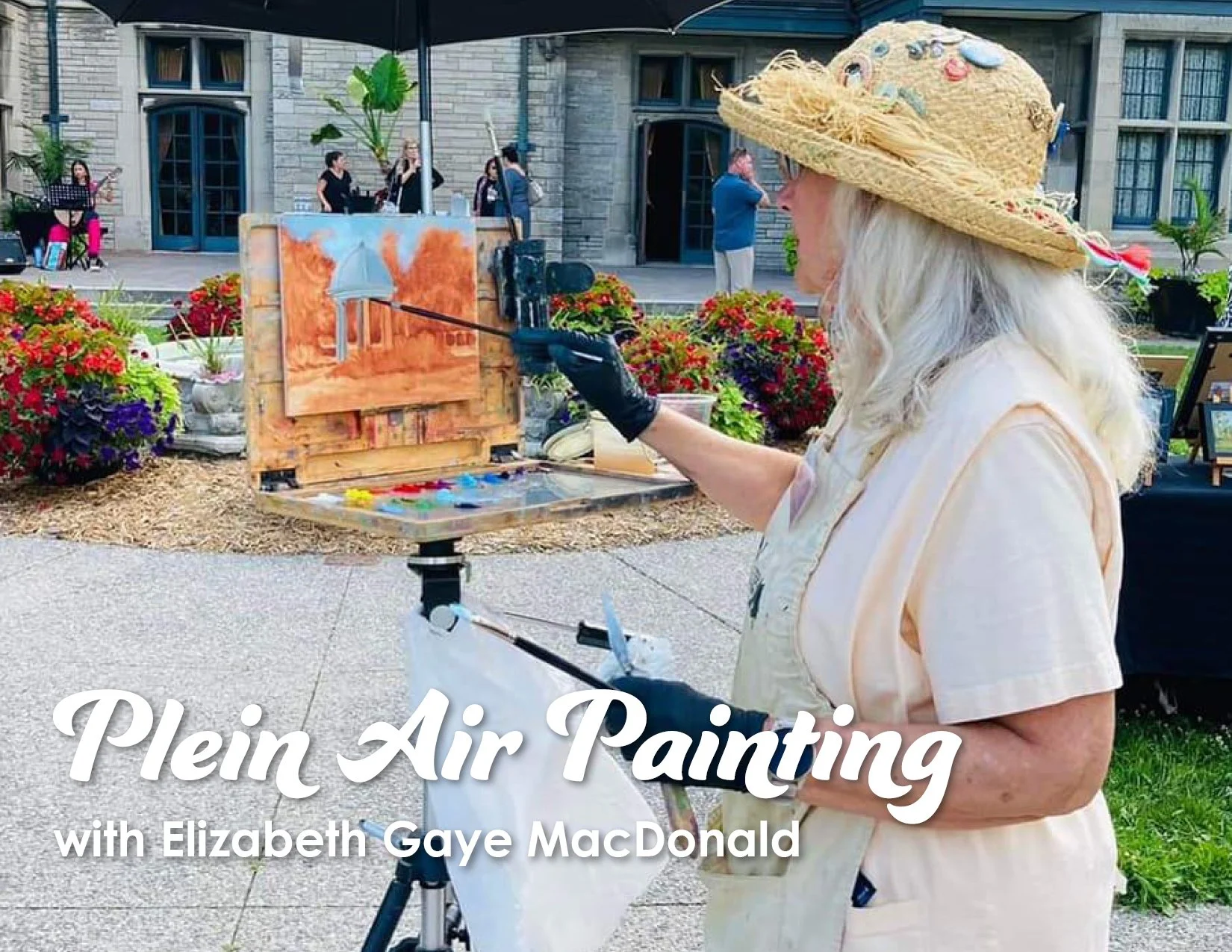
Plein Air Painting with Elizabeth Gay MacDonald
Saturday September 13, 2025, 10:00 am - 4:00 pm | Ages 16+ | $130
CM Wilson Conservation Area
Enjoy the process of plein air painting while being outdoors in nature with artist Elizabeth Gaye MacDonald. All materials supplied. Please bring sunscreen, bottled water and dress for the weather.
Painting location in collaboration with the Lower Thames Conservation Authority who will talk about local flora.

Culture Days Butterfly Release
September 27, 2025 | 11:00 am - 12:00 pm | FREE | Chatham-Kent Museum and Thames Art Gallery Lobby
Rain Date: September 28, 2025 | 11:00 am
Celebrate transformation, beauty, and the spirit of Culture Days with a special Butterfly Release Event, presented by the Thames Art Gallery and the Chatham-Kent Museum. This event is held in conjunction with the exhibitions Herbaria and On the Trail of the Monarch Butterfly.
In the week leading up to the release, visitors are invited to witness the awe-inspiring metamorphosis of 50 butterflies as they grow and prepare for flight in the gallery and museum lobby. From tiny caterpillars to shimmering chrysalises, experience the wonder of nature up close.
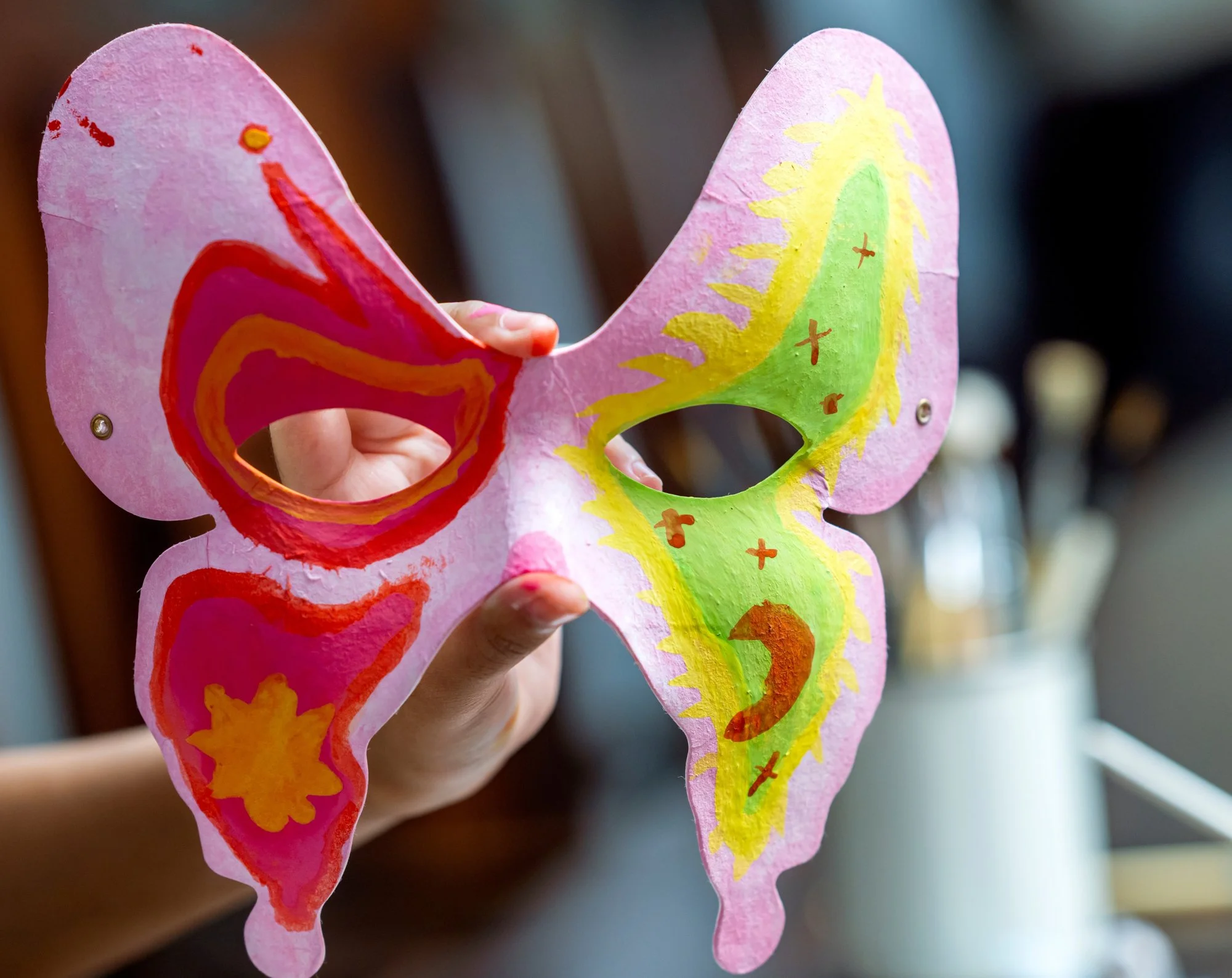
Culture Days Butterfly Mask Activity with the Chatham-Kent Museum
Saturday, September 27, 2025 | 10:00 am - 6:00 pm | FREE | Chatham-Kent Museum
Rain Date: September 28, 2025 | 11:00 am - 4:00 pm
Drop in for a free, creative activity where kids and families can craft their own butterfly masks before the butterfly release.
Then, gather with us at 11:00 am as we release these vibrant creatures into the sky—a powerful symbol of hope, renewal, and new beginnings. This event is perfect for families, nature lovers, and anyone who cherishes the quiet magic of the natural world.
On the Trail of the Monarch Butterfly features breathtaking photographs taken by Francisco Gutiérrez, a Mexican filmmaker and pilot. In August 2005, he took off in his ultralight aircraft from Montreal to follow the monarch butterflies on their 6,000 km migration from Canada to the mountains of central Mexico. His objective was to raise awareness of the importance of preserving the butterflies’ habitat. This exhibition was produced by the Canada Aviation and Space Museum in collaboration with the Embassy of Mexico and is on display at the Chatham-Kent Museum until October 12, 2025.
About the Artists
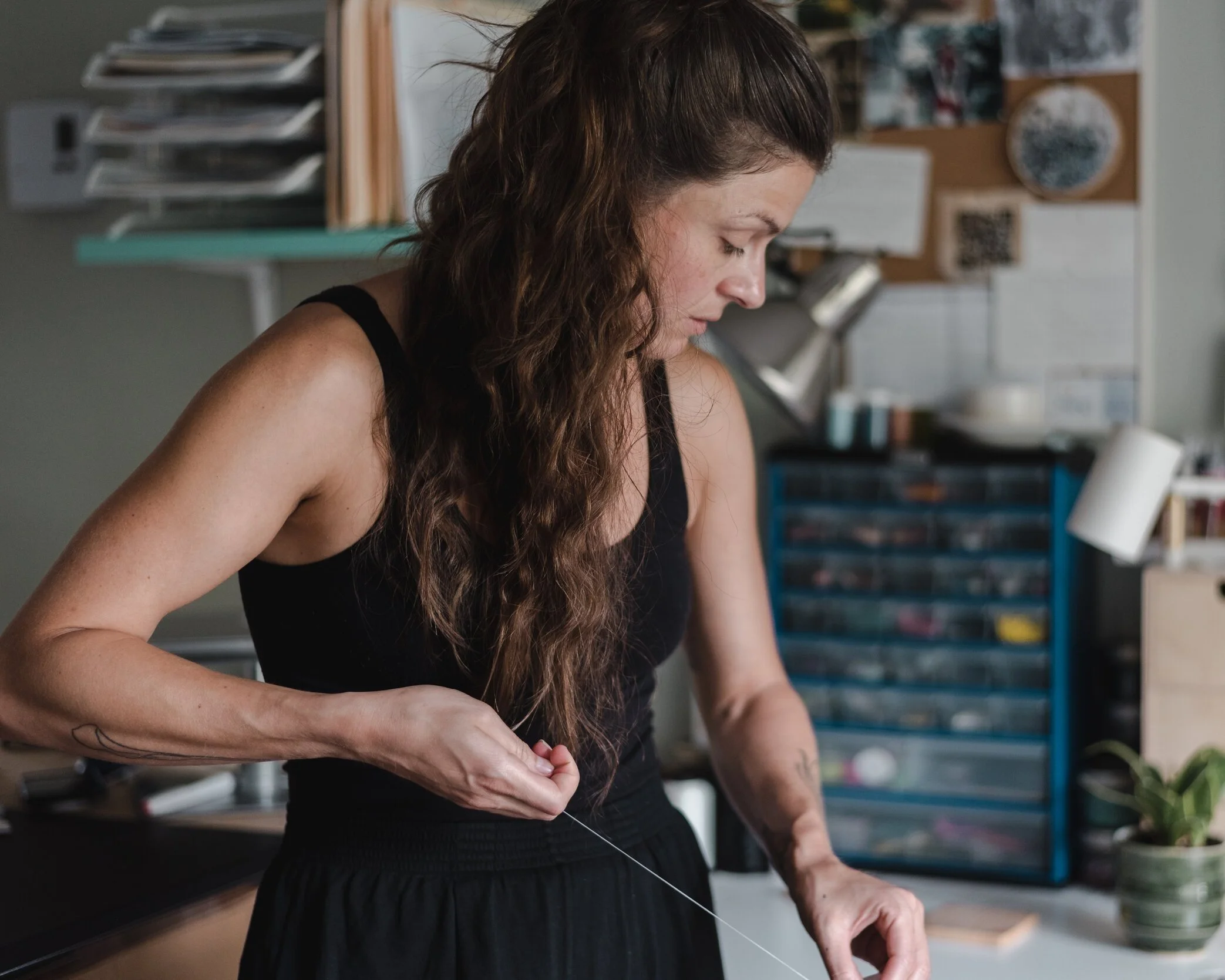
Carrie Allison (nêhiýaw/Métis/mixed European descent) is a multidisciplinary visual artist based in K’jipuktuk, Mi’kma’ki (Halifax, Nova Scotia). Her Métis and nêhiýaw family names are: Beaudry, Surprenant, Noskeye, and Payiw; her maternal roots and relations are based in and around maskotewisipiy (High Prairie, Alberta), Treaty 8. She grew up on the unceded and unsurrendered lands of the Sḵwx̱wú7mesh (Squamish), Stó:lō and Səl̓ílwətaʔ/Selilwitulh (Tsleil-Waututh), xʷməθkʷəy̓əm (Musqueam), and Tsawwassen Nations. Situated in K’jipuktuk since 2010, her practice responds to her maternal nêhiýaw and Métis ancestry, thinking through intergenerational cultural loss and acts of reclaiming, resilience, resistance, and activism, while also thinking through notions of allyship, kinship and visiting. Old and new technologies are combined to tell stories of the land, continuance, growth, and of healing. The work she makes is rooted in research and pedagogical discourses with the intent to share knowledge and garner understanding for complex histories, concepts, and possible futures.
Allison holds a Master in Fine Art, a Bachelor in Art History, and a Bachelor in Fine Art from the Nova Scotia College of Art and Design University. In July 2025 Allison’s solo touring exhibition we tend to care, curated by Franchesca Hebert-Spence, will be exhibited close to her home territory in Grande Prairie, AB, before moving on to Urban Shaman and the Winnipeg Art Gallery (fall 2026 Winnipeg, MB), Daphne (summer 2026, Montreal, QC), and Mount Saint Vincent Art Gallery ( 2027, Halifax, NS). In 2024 Allison was long listed for the Sobey Art Award (as well as 2021) and her work they built fields of grass on sawdust: poplar was exhibited at the National Gallery of Canada in the largest beadwork exhibition Radical Stitch. Her work has been exhibited nationally and internationally, most notably Ociciwan, Edmonton, Art Centre New Jersey, New Jersey, The Textile Museum of Canada, Toronto, McMichael Canadian Art Collection, Vaughan, and McMaster Art Museum, Hamilton, ON. She has had solo exhibitions at Mount Saint Vincent University Art Gallery, the Owens Art Gallery, the Museum of Natural History, Access Gallery, and Mary E. Black Gallery. Allison has completed residencies at the Banff Centre for the Arts, the Natural History Museum (supported through Eyelevel ARC), Mount Saint Vincent University, and in 2021 she was the Indigenous Artist in Residence at the University of Guelph. She has received grants from Social Sciences and Humanities Research Council, Arts Nova Scotia and Canada Council for the Arts. Allison was the 2020 recipient of the Melissa Levin Award from the Textile Museum of Canada, and received the Emerging Artist Recognition Award from Arts Nova Scotia in 2021.
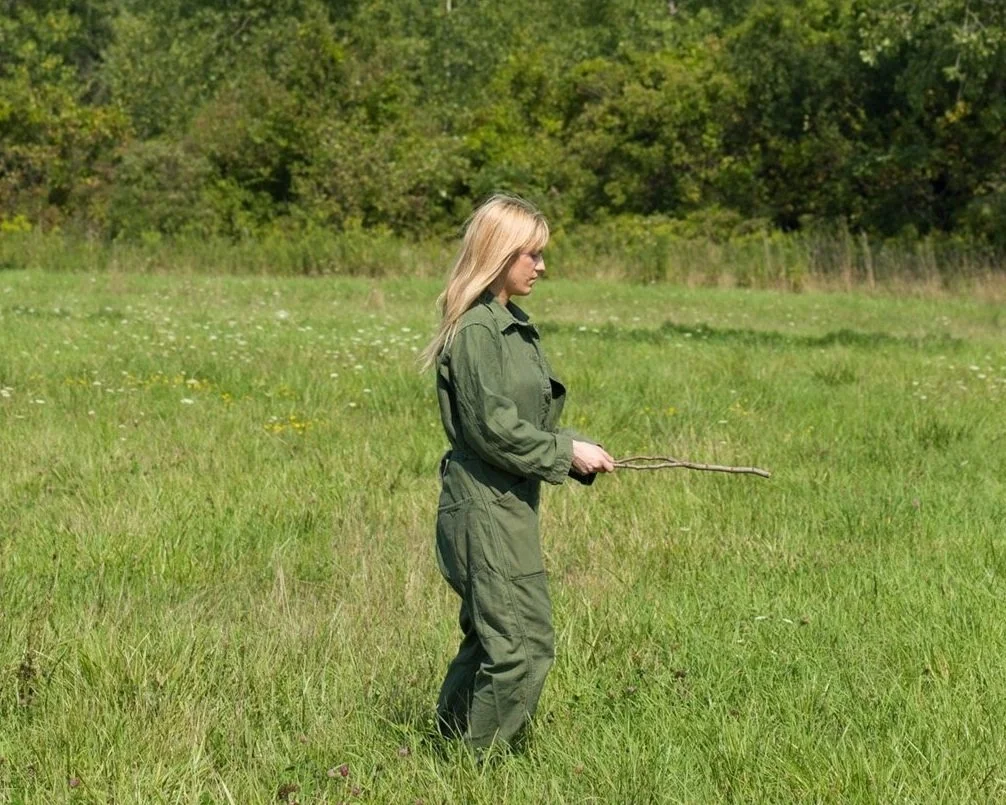
Image Credit: Cherry Wood
Alana Bartol is a Canadian interdisciplinary artist whose work examines resource extraction, petropropaganda, and remediation through research-driven, site-responsive projects. Blending ritual, participation, and sensory experience, their practice interrogates the narratives that uphold extractive industries and settler colonial relationships to place. Drawing on divination, labour, and the figure of the witch, Bartol reimagines kinship with land, plants, and water, centring the shared health of human and more-than-human communities.
Bartol’s work has been presented nationally and internationally in exhibitions, festivals, and public spaces, including Walter Phillips Gallery, Plug In ICA, Art Gallery of Alberta, and Museo de la Ciudad (Guadalajara). They were longlisted for Canada’s Sobey Art Award in 2019 and 2021.
Alana is a white settler with ancestry that includes Danish, German, English, Irish, and Scottish roots. Born in Mi’kmaq territory and having spent most of their life in the territory of the Anishnaabeg people of the Three Fires Confederacy, they have lived in Mohkinstsis (Calgary, Alberta) since 2015, on the ancestral lands of the Blackfoot people. They thank the artists, curators, technicians, administrators, writers, funders, and communities, human and more-than-human, that make their work possible.

Image Credit: Patricia Coates in Berlin Performance Seeds at the Humboldthain Flak Tower, Performance documented by: Johann Lurf
Patricia Coates works in performance, installation, video, and living materials (indigenous trees grown from seed). She subverts established gender roles while revealing our entangled and conflicted relationship with the living world. Themes of entropy, enthalpy, and the absurd recur to disclose a paradox of the human condition: our constructive and destructive selves. Central questions weaving through her work are: How is it that we have poised ourselves to destroy the prospects for decent existence for much of life, and “Does one actually ever become a woman, or is to be a woman a mode of becoming without end?” (Judith Butler).
In performance, the aging female body is the artist’s artistic medium. The limits of her physical and psychological being are pushed in endurance interventions that challenge traditional boundaries and open up possibilities beyond what we think the body (and art) can be or do. In their extremity, performances become provocative, awakening the viewer to the precariousness of life while revealing the tragedy of the human condition: our irreconcilable capacity for violence, destruction, care and resilience. Performances often appear against dominant scenes of oppression and brokenness, conveying a need for restitution, while not shying away from the grittier corners of the human psyche. The work digs deeper, trying to uncover something about who we are: our blemishes, shortcomings and contradictions.
Lucy Palustris, the artist’s alter-ego, emerges as the Absurd Hero, pitched between nurture and destruction. Lucy is more Sisyphean than Nightingale, taking on ecological and social crises, countering one form of madness with another. Her body is like an ecosystem, worn like the degraded sites she doggedly repairs. A tragic-comedic tone permeates her tenacious, though quixotic efforts, questioning her ability (and art itself) as a force of resistance.
Weaving together film, performance, installation seeds and plants, Coates’s examines what it means to be human, unfurling like leaves, our hubris, resilience, and the will to survive.
The Canada Council and the Ontario Arts Council support Coates’s international practice. She has two upcoming exhibitions in New York City, working with acclaimed writer David Rimanelli and Director Jose Martos. International residencies include Künstlerhaus Bethanien, Berlin. She holds degrees from the University of Toronto (B.A), Queen's University (B.Ed.) and the University of Windsor (MFA).
Herbaria at the Thames Gallery has inspired Coates to break new conceptual ground, encouraging a deeper examination of environmental crises within the heart of industrial agriculture, inspiring new work in performance, video and installation.
“Over the past thirty years, I have been transforming 60-acres in Essex County, Ontario, from industrial agriculture into habitat, cultivating species native to Carolinian forests and wetlands while remaining acutely aware that my resistance against "Big Ag" may be no more than a futile gesture. This earthwork is an ongoing, regenerative work of flux and transformation, inspiring my performances, films and installations—all propelled by the question: How is it that we have poised ourselves to destroy the prospects for a decent existence for much of life?
In Berlin, I grew trees from seeds collected at sites of trauma (The Wall, Stasi Prison, flak towers, bunkers), planting these in a series of guerrilla performances across the city, mixing memories of a violent past with anxieties over an uncertain future. Performances drew on the history of the Trümmerfrauen (rubble women), evoking endurance and resilience. Against this affirmation, the work suggested an inextricable link between our human capacity for violence and our destructive relationship with the environment. Are we capable of living more sympathetically within the living world and amongst ourselves? Trauma and care emerged as pivotal themes in my work.
In New York City, my inquiry evolved to examine the question: How is it that we abandon our sick and poor? My persona moved from the fields of Ontario, shovelling earth, to a NYC tenement, shovelling trash. A derelict apartment became a metaphor for a broader sick social body, shedding light on the disparity between the ‘haves’ and the ‘have-nots’ and the vulnerability of those who fall through the cracks. The abject traffics in uncontrollable anxiety, isolation, suffering and madness, like Antonin Artaud's Theatre of Cruelty. Symptoms of trauma speak to a need for intervention and care.
From these experiences, I am pleased to return to the Thames Gallery, where I showed my first solo exhibition upon completing my MFA in 2015. Now, my aging female body in performance becomes both the vehicle of artistic expression and the instrument of radical care — a tragicomic figure battling degradation and despair armed with a shovel and seedlings.”
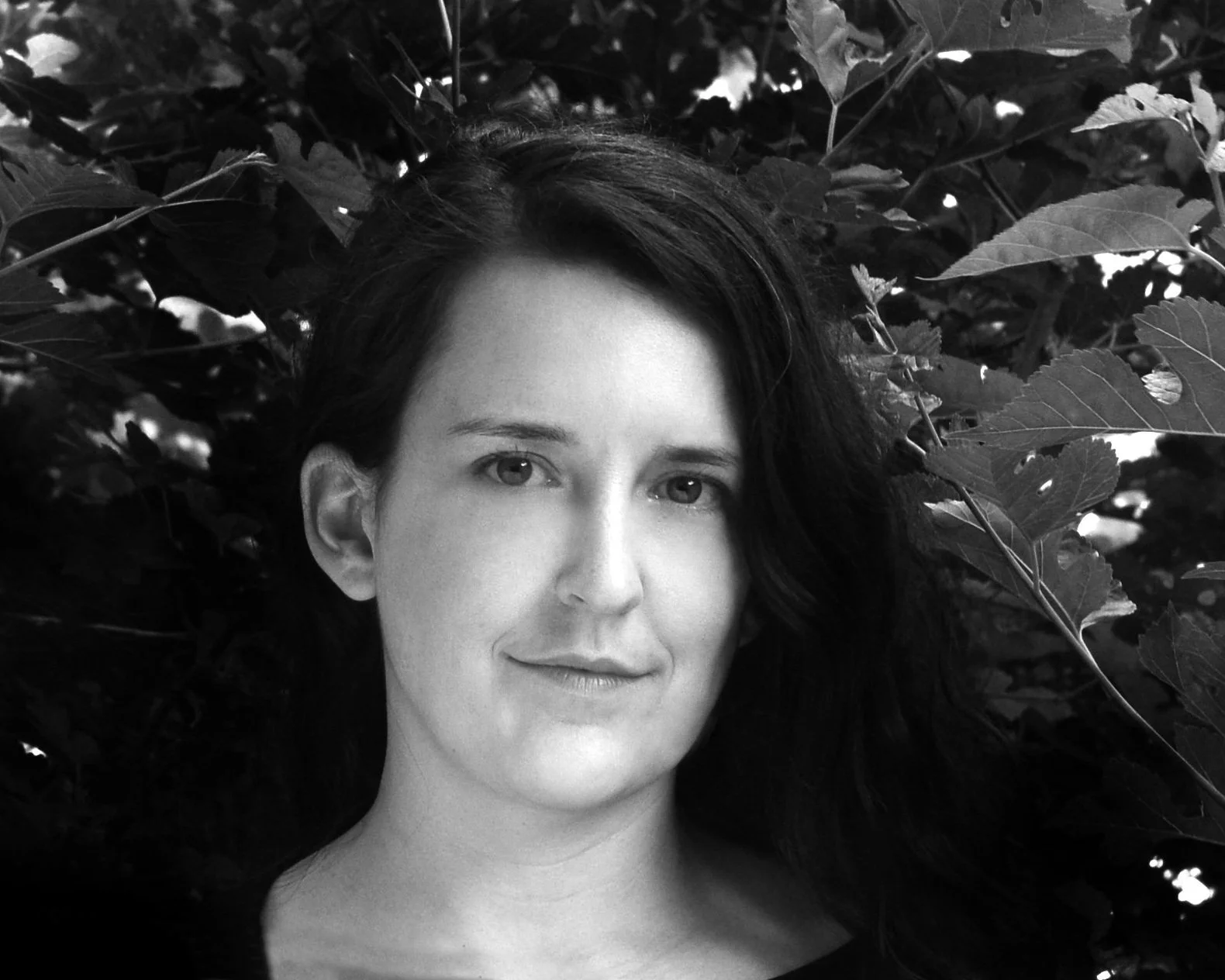
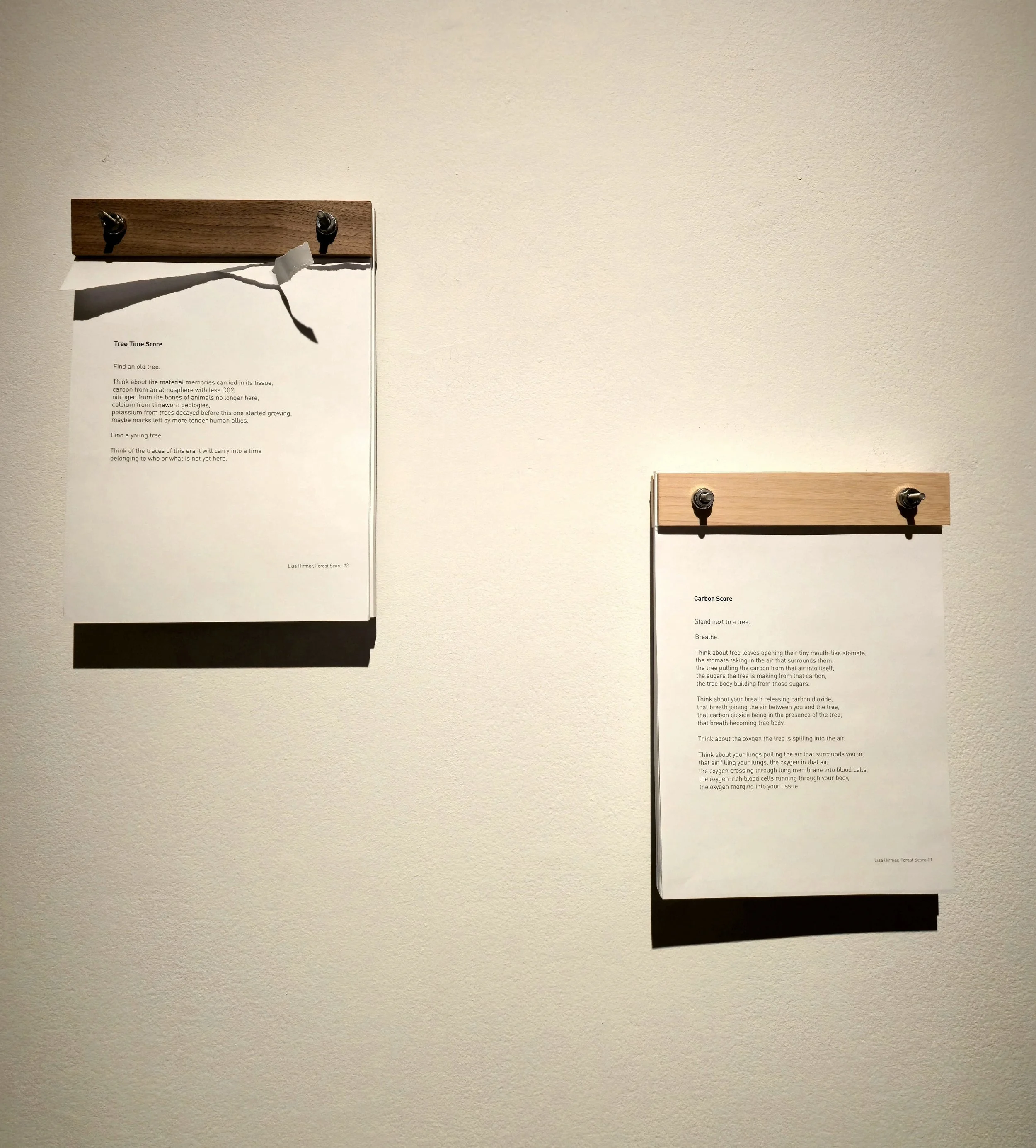
Lisa Hirmer is an interdisciplinary artist whose work, in one way or another, is about the collective nature of being—the parts of life that can only exist between things. Spanning photography, sculpture, installation, social practice, community collaboration and sometimes writing, her work explores collective relationships both within human communities and between humans and the more-than-human-world (which is to say other species as well as planetary forces like water, wind, geology, and so on).
Much of her recent work wrestles with the implications of climate change, aiming to make sense of what it means to be living and working inside a planet-wide emergency that threatens the ecological fabric of our world(s).
Her work has be shown in galleries across Canada and internationally including at Art Gallery of Ontario, Art Gallery of Guelph, Cambridge Galleries, Art Gallery of Mississauga, Doris McCarthy Gallery, Tom Thompson Gallery, Fondation Grantham, Harbourfront Centre, KIAC, Peninsula Arts, CAFKA, Third Space, Queens Museum, and Flux Factory, among others. She has received grants from Ontario Arts Council, Canada Council for the Arts, musagetes and the Culture and Animal Foundation, and has a Master of Architecture from the University of Waterloo.
The artist would like to acknowledge funding support from the Ontario Arts Council and the Government of Ontario.

Susan Turcot is an artist and more recently artist and teacher working with a pedagogy that seeks to root and connect her own and others’ practices towards co-creation and critical perspectives that are sensitive to the earth and it’s /our restoration.
Her experience over three decades is in site responsive work using elements of performance, ritual, line and sound in transitional urban spaces. From the early 2000s she has found ways to document, through drawing, the social tensions in areas where worker/resource extraction dominate environmental, economic, cultural dynamics.
Since returning to Tiohtià:ke in 2018 Susan’s research and participation has been with colleagues and collaborators in the following projects :
Sound impact on the beluga environment- GNL anti pipeline activism
I was seed before I was a flower, I was a flower before I was a seed, audio transmission of a dormant seed.
Drawing series on the jack pines hydraulic system and its resilience to drought.
Seeing-in seeing-out participatory cards on birch with birch around its phenological cycle and power
Embodying photosynthesis as a drawing practice, workshops.
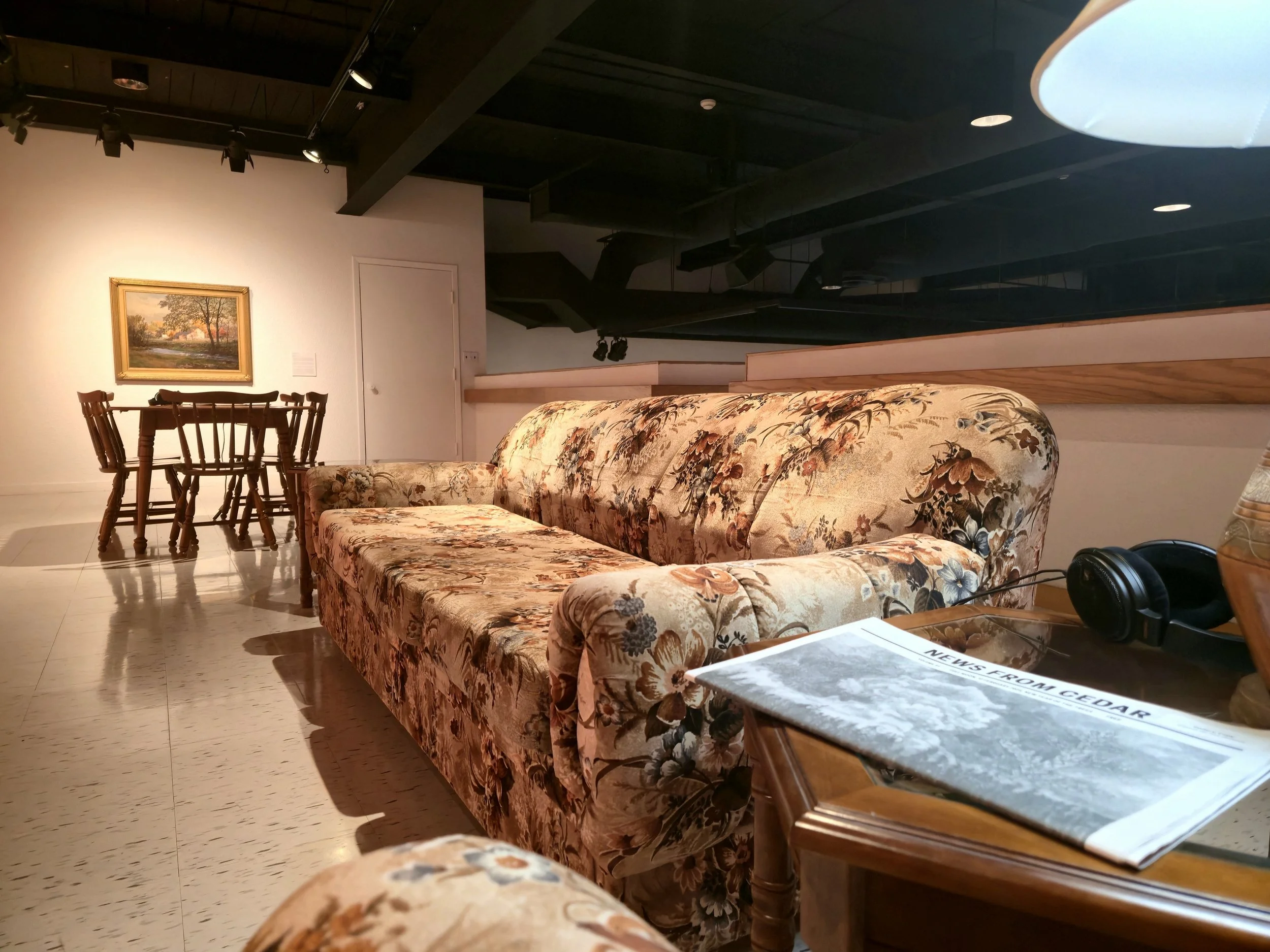
Cedar listening circle since 2023; Cedar News publication 2025
Diatom and Chironomus life in Lake Osisko toxic sediment
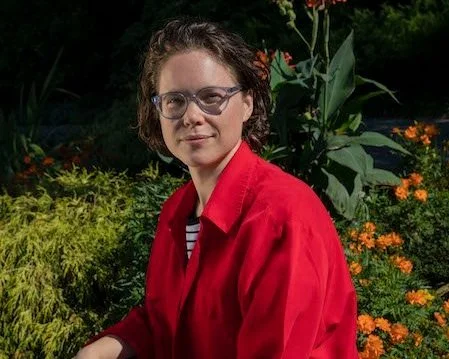
Image Credit: Lola Flash for Queer | Art | Mentorship’s 2019 Community Portrait Project.
Eva Peskin is an artist, educator, and astrologer learning from planetary movements and the Tree of Life: how to sing, write a poem, find the rhythm of mutually nurturing relationships in life affirming processes, practice ethical collaboration, be at home in a body, honor the moon. Eva completed a PhD in the Harriet Tubman Department of Women’s, Gender & Sexuality Studies at University of Maryland with the dissertation “Maintenance Art For Other Possible Worlds: Rehearsing a Pedagogy of Care.” Collaborations include Cedar Listening Circle, Queer Scouts, There’s Nothing To See Here, Animals Performance Group, BAND PRACTICE!!!, and eagrbeavr. Eva is an alum of Queer|Art|Mentorship (Performance Fellow) and Performance & Interactive Media Art at Brooklyn College. Find more here: justafoolserrand.com

Spectral beings entangled in coils of energy ravel into a sort of nest; phenomenal, numinous bodies dancing in their own dreamstates—one meditates, limbs tucked in and fully ensconced in the weave; another bursts with clouds and wisps of spirit matter. One casts long rope-like limbs out into the ether, arms outstretched to the ancestors; while two companions melt together in loops and swirls. And yet another pulls inward, cutting a cross section of the structure as it hisses up in a weightless thread.
Cedar Listening Circle was created in response to a story Cedar shared at the height of fire season on Turtle Island in 2023. The circle is a deep listening practice space for artists and activists learning to listen with the plants. Following Cedar’s instructions we meet online on new and full moons with plant listeners around the world to connect through movement, breath, song, story and image. Meetings serve as both practice space and community resource, as participants share news from the trees, teachings, and actions from lands and watersheds around the world, as well as skills, techniques and learnings from their plant collaborations. News From Cedar is the first creation of Cedar Listening Circle, and features a collaboration between Eva Peskin and Susan Turcot that builds on Cedar’s story.